Miami
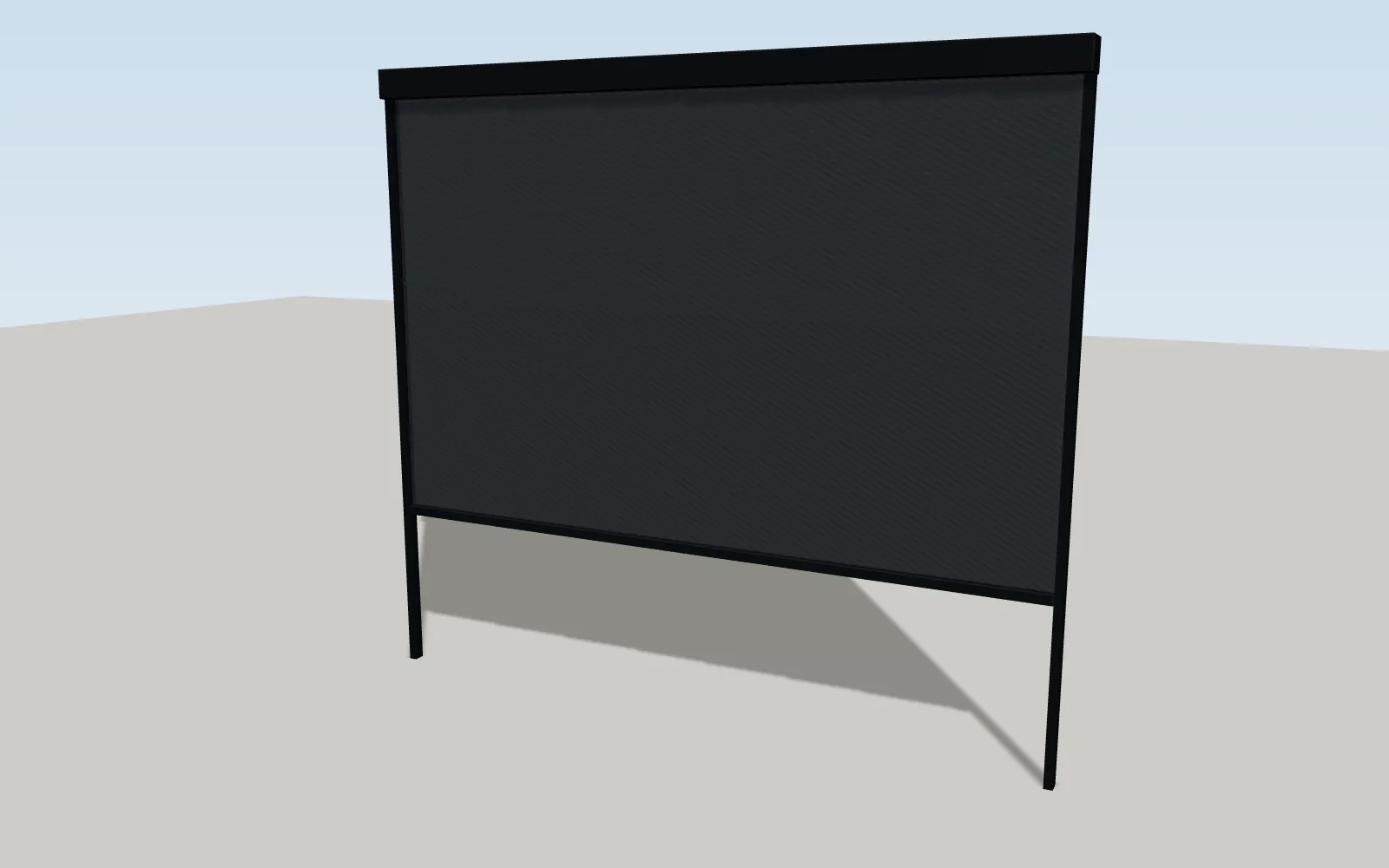
Humidity, mosquitoes and sudden downpours call for a watertight louvered roof with zip screens on every side.
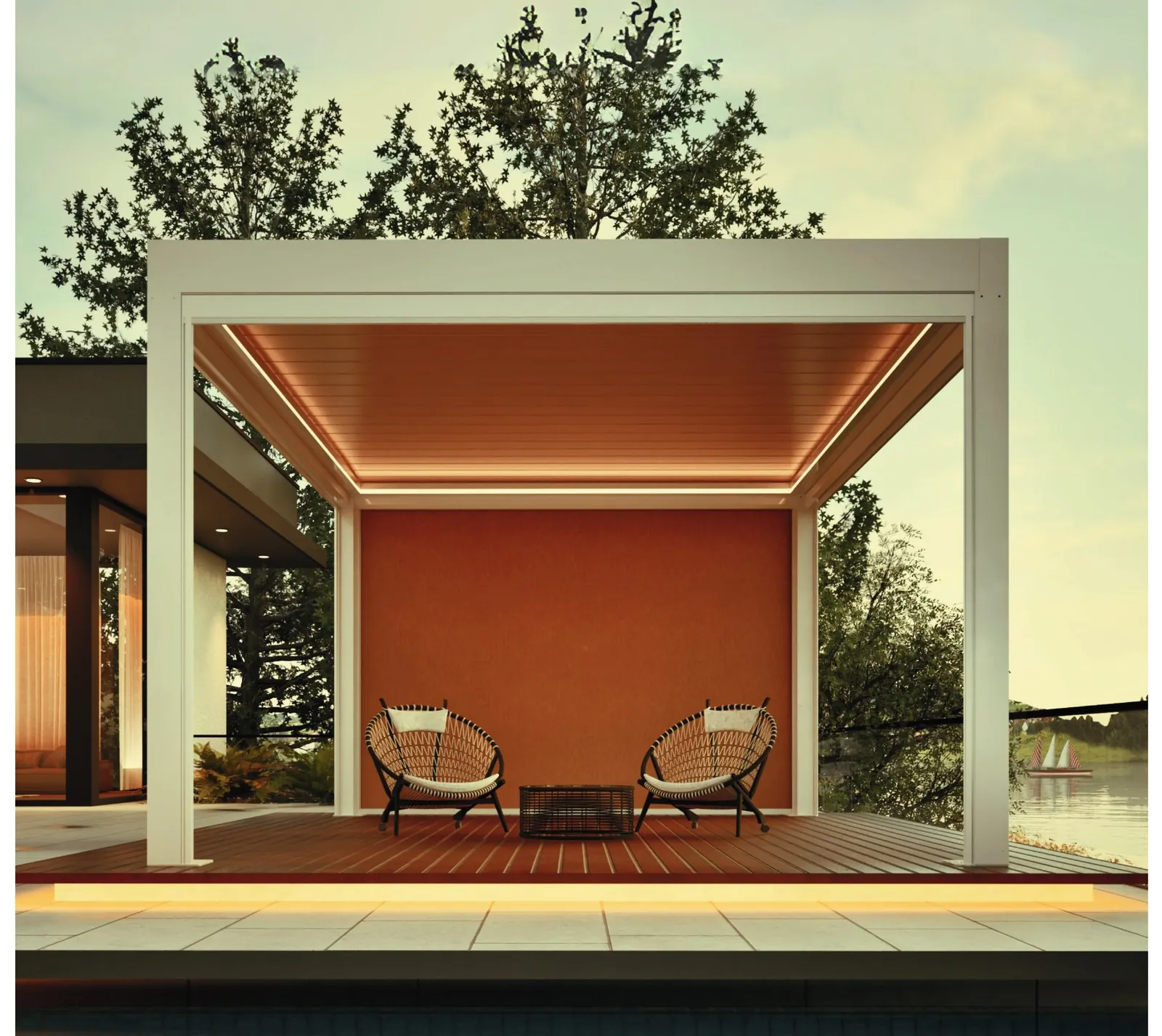
Searches for “louvered pergola” and “motorized screens” keep climbing across the US, and for good reason. Whether it is a bug-free lanai in Florida, midday shade in Arizona or a glass room that starts spring early in New England, Americans want the backyard to work like another room of the house.
The US is not one climate. The South and Gulf Coast are hot and humid, with summer afternoon storms and a hurricane season. The desert Southwest is dry with intense sun. California is mild and dry, so sun matters more than rain. The Northeast and Midwest bring snow, freezing winters and short, warm summers. That is why the system should be chosen around your state’s wind and snow loads.
Humidity, mosquitoes and sudden downpours call for a watertight louvered roof with zip screens on every side.
Long hot summers and hurricane risk: wind sensors and solid post anchoring matter most.
Shade is everything. Louvres that rotate to 85° and solar screen fabric make summer afternoons usable.
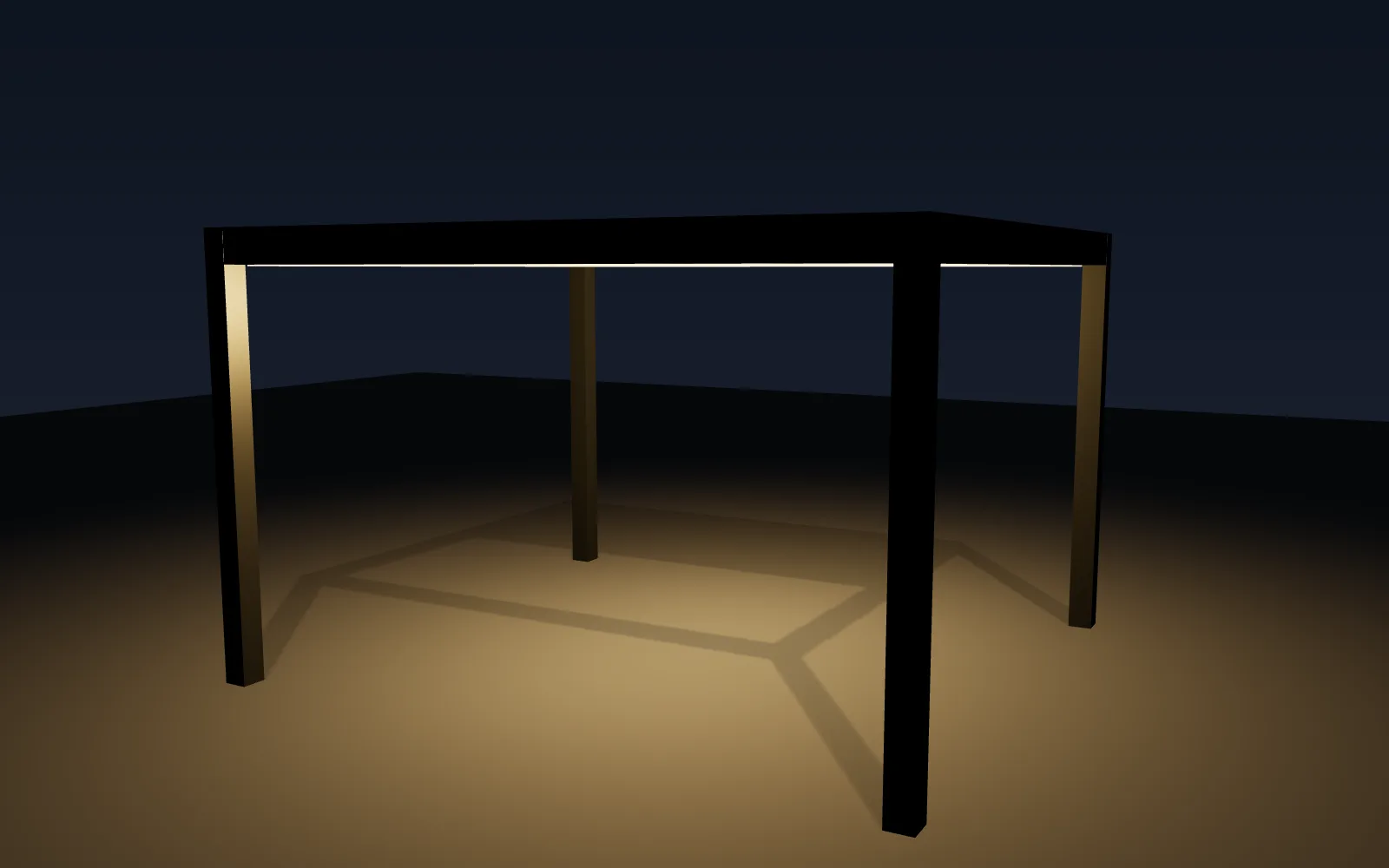
Outdoor living all year; an LED-lit pergola and clear zip screens handle cool evenings.
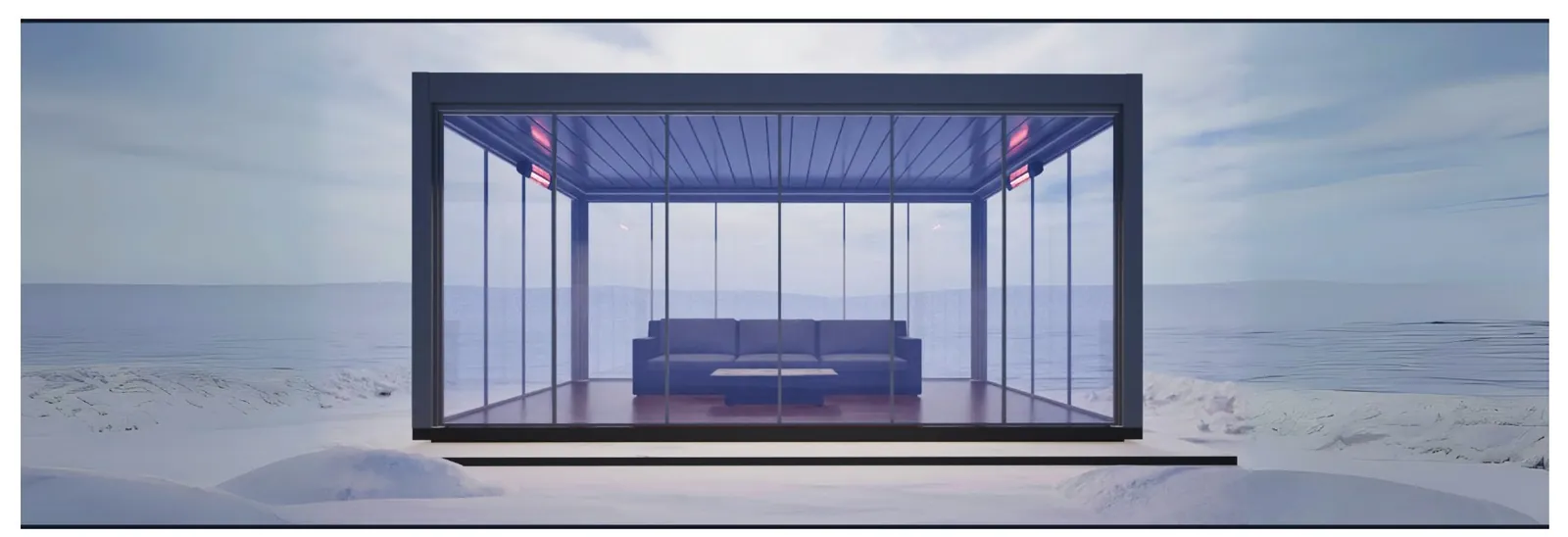
For snow and cold, a glass roof with double-glazed sliding glass turns the deck into a four-season sunroom.
Many states require a building permit for a pergola or patio cover, and HOAs may limit colour and height. Hurricane zones ask for wind-load data and northern states for snow-load data. We supply technical drawings and product data per project, and sizes can be given in feet and inches (e.g. 13 × 23 ft ≈ 4 × 7 m).
Yes. Systems are made in Türkiye and shipped by container; installation is planned with local crews or dealers.
Post size and anchoring are set to the site’s wind load, and wind sensors are recommended for zip screens.
Send sizes and photos; we reply the same day.